The Complete Guide to Mining Crypto in 2026

The Complete Guide to Mining Crypto in 2026 (Beginner-Friendly)
Published: October 19, 2026 • Reading time: 8 min
Crypto mining in 2026 is no longer a casual hobby. The industry has matured into a highly competitive, efficiency-driven sector where only the well-prepared survive. If you're thinking about getting into mining this year, you need to understand that the landscape has shifted dramatically. This guide walks you through everything step by step — from picking the right coin to calculating whether your operation will actually turn a profit.
1. What Is Crypto Mining, Really?
In simple terms, mining is the process where high-performance computers use their computing power to solve complex mathematical puzzles. This process validates transactions and adds new blocks to a blockchain (like Bitcoin). In return, miners earn newly minted coins plus transaction fees. This mechanism is called Proof of Work (PoW) and it's the security backbone of networks like Bitcoin and Litecoin.
2. Choose the Right Coin to Mine
The first critical step is deciding which coin to mine. Every coin has a different algorithm and difficulty level, which dictates the hardware you'll need.
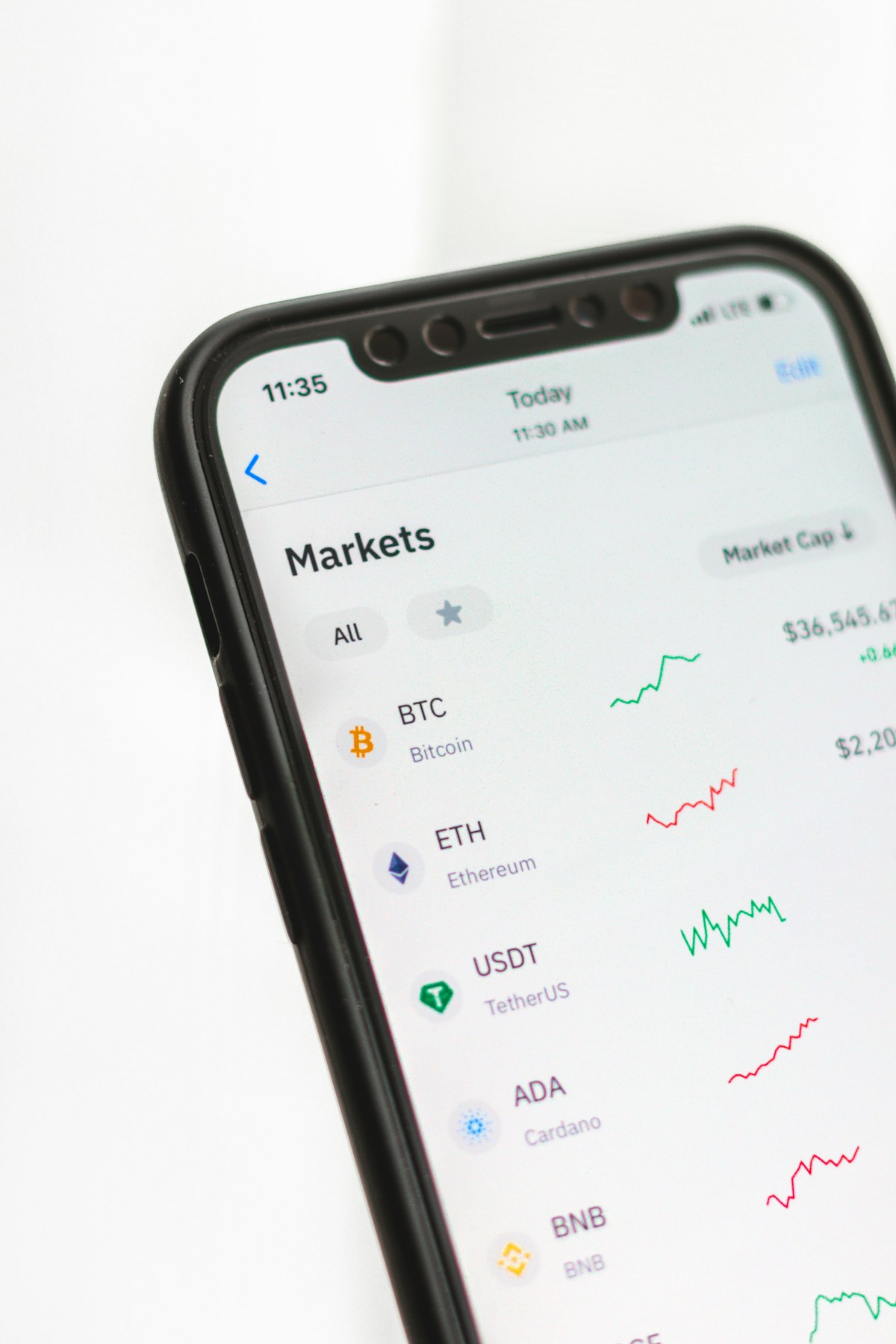
- Bitcoin (BTC): The king of crypto. However, mining Bitcoin in 2026 is only viable at industrial scale or for those with access to ultra-cheap electricity. You must use specialized ASIC hardware, and the current block reward is 3.125 BTC (after the 2024 halving).
- Litecoin (LTC) & Dogecoin (DOGE): Both use the Scrypt algorithm and can be mined together (merge mining) using Scrypt ASICs. This is a popular option because you earn both coins simultaneously.
- Monero (XMR): If you only have a regular computer, Monero is your best bet. This privacy coin is optimized for CPU mining and actively resists ASIC dominance.
3. Get the Right Hardware
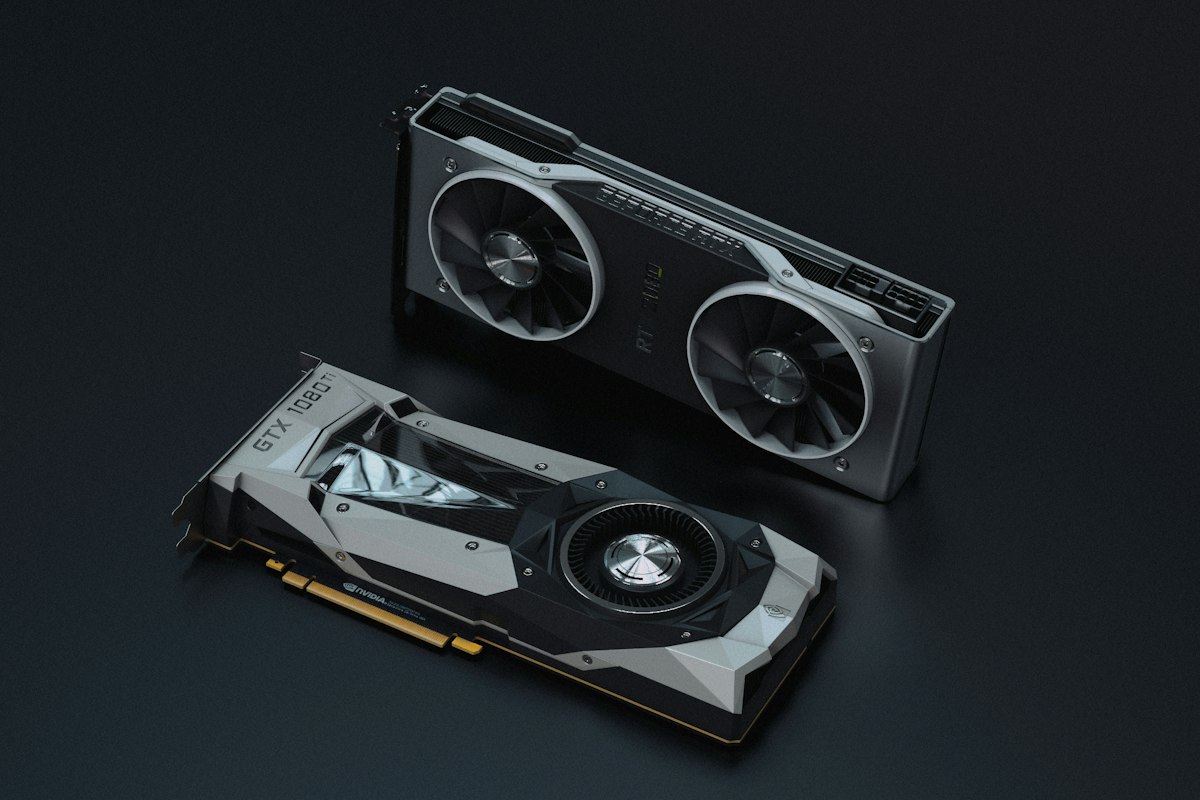
- ASIC (Application-Specific Integrated Circuit): The most powerful and efficient hardware, but it can only mine one specific algorithm. Required for Bitcoin and Scrypt coins. Popular 2026 models: Bitmain Antminer S21 Pro (234 TH/s) and MicroBT WhatsMiner M63S.
- GPU (Graphics Processing Unit): More flexible — can mine various coins (like Ravencoin or Ethereum Classic) — but less efficient than ASICs.
- CPU (Central Processing Unit): The easiest way to start, but only profitable for specific coins like Monero.
4. Pick Your Mining Method: Solo, Pool, or Cloud?
- Solo Mining: You mine alone. Your odds of finding a block are extremely low since you're competing against industrial giants. Think of it as buying a lottery ticket.
- Pool Mining: You combine your computing power with other miners to boost the chance of earning rewards, which are then split proportionally. This is the most practical and common method for individual miners in 2026. Popular pools: Foundry USA, AntPool, and F2Pool.
- Cloud Mining: You rent computing power from a provider. Great for beginners who don't want to deal with hardware, but be careful — the space is full of scams and unprofitable contracts.
5. Install Mining Software and Start Mining
Once your hardware is ready, you need to install compatible software. This software connects your rig to the mining pool you've chosen. Popular options include CGMiner, BFGMiner, or NiceHash (for GPU/CPU).
6. Calculate Profitability: The Make-or-Break Factor in 2026
This is the most important part. In 2026, mining is no longer "plug and play." You must calculate carefully. Four key variables determine profitability:
- Electricity Cost: This is the most critical factor. If your rate is above $0.10/kWh, margins will be razor-thin. Above $0.12/kWh, most setups will lose money. Regions like Texas, Iceland, and Paraguay remain top mining destinations thanks to cheap power.
- Hardware Efficiency: Two devices with the same hashrate can consume wildly different amounts of power. The more efficient (lower J/TH ratio), the better.
- Network Difficulty: As more miners join, it becomes harder to earn rewards.
- Coin Price: Crypto prices are volatile. Make sure your calculations stay profitable even if the coin price drops 50%.
Use a profitability calculator (many are available online) before buying any hardware to make sure the numbers actually work.
Conclusion
Crypto mining in 2026 offers real opportunities — but also bigger challenges. The key is thorough research, careful calculation, and efficient hardware. For beginners who want to test the waters without risking too much, starting with Monero (CPU mining) or using free cloud mining apps to learn the ropes is a smart first move.
Ready to Start Mining?
Don't forget to run the profitability numbers before buying any hardware!
Comments
Post a Comment